Why Belonging Matters: The Power of Inclusive Environments
16 June 2026
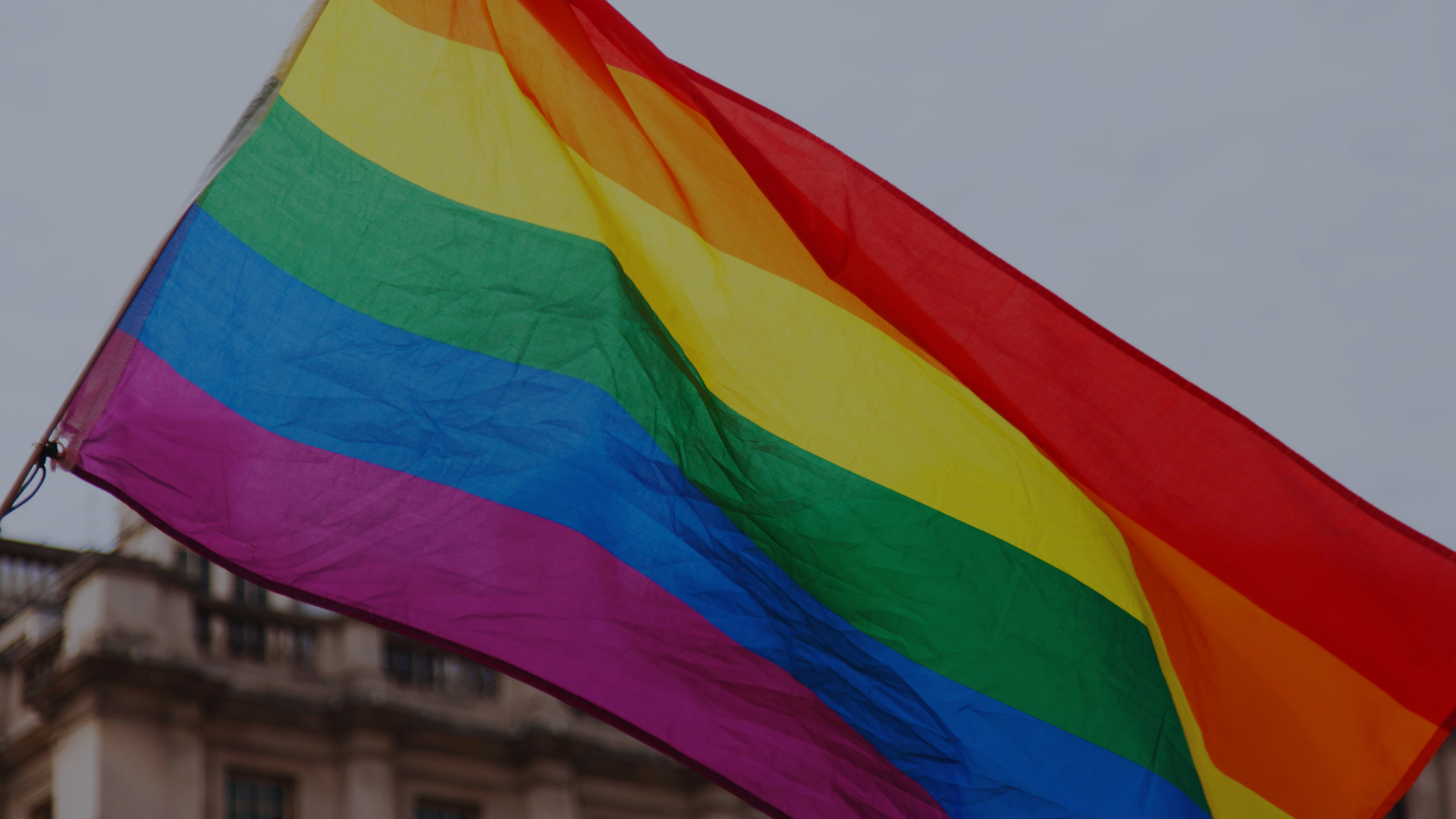
June is Pride Month, an opportunity to celebrate LGBTQIA+ communities and to reflect on the importance of inclusion, visibility and belonging.
A sense of belonging is fundamental to wellbeing. Feeling accepted, respected and able to be yourself can have a profound impact on mental health and quality of life. Pride Month provides an opportunity to recognise the diversity of our communities and to reflect on how we can continue to create environments where everyone feels valued and included.
Psychology has an important role to play in promoting wellbeing and fostering inclusive environments. This means understanding not only individual experiences, but also the wider social and cultural factors that can influence mental health.
Understanding Minority Stress
Minority stress refers to the additional stress experienced by members of minority groups as a result of stigma, discrimination, prejudice and social exclusion. These experiences can occur in many forms, from bullying and harassment to assumptions, stereotyping and exclusion.
Research cited in the PSI Guidelines for Good Practice with Lesbian, Gay and Bisexual Clients found that experiences such as homophobic bullying, fear of rejection by family and friends, lack of acceptance, and feeling isolated or different were associated with poorer mental health outcomes and increased risk of suicidal behaviour.
Similarly, the PSI Good Practice Guidelines for Working with Transgender and Gender Non-Binary People highlight the impact that discrimination, harassment and stigma can have on wellbeing, as well as the barriers some trans and non-binary people experience when accessing services.
Being a sexual or gender minority is a normal variation of human identity, and it is not a person's identity that affects their wellbeing, but rather the prejudice, exclusion and discrimination they may encounter.
Understanding this distinction helps us to view people's experiences within their wider social context and reinforces the importance of creating supportive and affirming environments.
The Importance of Affirming Environments
While experiences of stigma, discrimination and a lack of understanding can have a negative impact on mental wellbeing, factors such as resilience, connection, acceptance and support can play a powerful role in protecting and promoting it.
The Supporting LGBT Lives study found that supportive friends, accepting families, positive school and workplace environments, and connection with LGBTQIA+ communities all contribute to resilience and wellbeing.
Notably, the most common protective factor for those with a history of suicidal behaviour was the presence of supportive people in their lives, including parents, siblings and friends.
This is reflected in the work of organisations such as Belong To, which highlights the importance of family acceptance, supportive adults and safe environments for LGBTQIA+ young people.
Belong To provides a range of practical resources, including:
- Coming Out: A Guide for Parents & Carers
- Families in Transition: Useful information, tips and advice for families of trans young people, parents and carers
- LGBTQ+ Language
The message from both research and lived experience is clear: acceptance, connection and support matter.
What Inclusive Practice Can Look Like
Inclusive practice is often communicated through small but meaningful actions. Whether you are a parent, teacher, psychologist, healthcare professional, employer, colleague, friend or community member, creating an inclusive environment often starts with openness, respect and a willingness to learn.
Some examples include:
- Using inclusive and respectful language.
- Respecting people's identities, names and pronouns.
- Avoiding assumptions about a person's relationships, family structure or experiences.
- Recognising the impact that discrimination, stigma and minority stress can have on wellbeing.
- Challenging stereotypes and discriminatory language when it is safe and appropriate to do so.
- Creating environments that visibly communicate inclusion and respect.
- Engaging in ongoing learning and reflection.
In practice, this might look like:
- Using terms such as "partner" rather than assuming someone has a husband or wife.
- Avoiding assumptions about a child's family structure or the gender of their future partners.
- Asking respectfully if you are unsure how someone would like to be addressed.
- Displaying visible signs of inclusion, such as equality and diversity policies, inclusive posters, Pride symbols or information about available supports and resources.
- Ensuring forms, surveys and registration documents use inclusive language and allow people to describe themselves accurately.
- Seeking out training, workshops, books, podcasts and other learning opportunities to better understand LGBTQIA+ experiences and identities.
- Listening to and learning from the experiences of LGBTQIA+ people without expecting them to educate others.
Reflecting on our own assumptions and biases is also an important part of inclusion. We all develop beliefs and expectations based on our experiences, upbringing and the society around us. Taking time to consider questions such as "What assumptions am I making?" or "How might someone with a different experience view this situation?" can help us become more aware of unconscious biases and create more inclusive interactions.
Inclusive practice is not about getting everything right all the time or having all the answers. It is about approaching people with curiosity, respect and humility, while remaining willing to learn and adapt. Small actions can have a significant impact in helping people feel acknowledged, respected and safe to be themselves.
Looking Beyond Pride Month
Pride Month offers an opportunity not only to celebrate LGBTQIA+ communities, but also to reflect on how psychology can continue to support inclusion, wellbeing and belonging throughout the year.
Inclusive practice is not a one-off initiative. It is an ongoing commitment to curiosity, respect, evidence-informed practice and a willingness to learn from the experiences of others.
Ultimately, creating inclusive environments is something that benefits everyone. When people feel accepted, valued and able to participate fully, individuals, families, workplaces, schools and communities are all stronger as a result.
For More Information
The Psychological Society of Ireland has developed guidance to support inclusive and affirming practice:
- PSI Guidelines for Psychologists Working with Lesbian, Gay and Bisexual Clients
- PSI Guidelines for Psychologists Working with Transgender and Gender Non-Conforming People
Additional information, resources and supports are available from:
LGBT Ireland
LGBT Ireland provides information, support and signposting services for LGBTQIA+ people and their families, including mental health and wellbeing supports. The organisation also offers resources to help individuals, families and allies better understand LGBTQIA+ identities and experiences.
Belong To
Belong To supports LGBTQIA+ young people across Ireland and provides a range of services including youth groups, one-to-one support, counselling and family support. The organisation also offers excellent guidance for parents and family members who want to better support LGBTQIA+ children and young people, as well as training and resources for professionals working with young people.
TENI
TENI (Transgender Equality Network Ireland) works to improve the lives of transgender and non-binary people in Ireland through advocacy, education, training and support. Its resources can help individuals, families, workplaces and professionals better understand gender diversity and trans inclusion.
Outhouse
Outhouse is a community and resource centre for LGBTQIA+ people, providing opportunities for connection, peer support, learning and community engagement. Community spaces such as Outhouse can play an important role in fostering belonging and social connection.
 |
This article was developed by the Psychological Society of Ireland and clinically reviewed by Dr Geraldine McNamara, Senior Clinical Psychologist and PSI Council Member. |